Behind the Scenes: How a Skin Gets Made in Standoff 2
Behind the Scenes: How a Skin Gets Made in Standoff 2
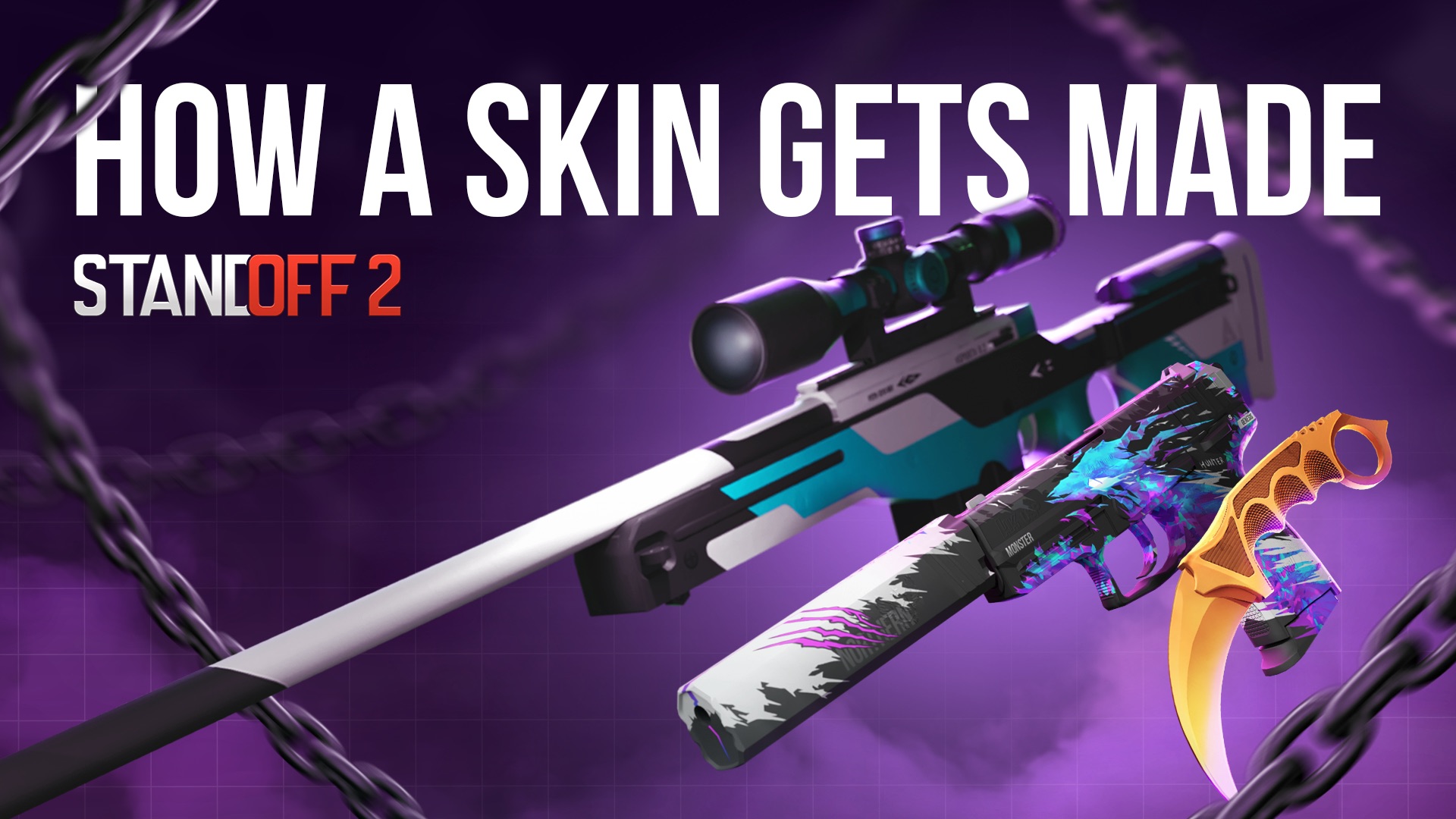
That cool skin in Standoff 2? It’s way more than just an attractive picture, it’s hundreds of hours of work, countless spreadsheet rows of data, and weeks of testing. Today, we’re pulling back the curtain on how we create the skins players discuss, get from cases, and meme about. Let’s walk through the process of making skins for Season 9, Prey.
It All Starts With a Spark
Every major Standoff 2 update begins with a big creative jam. Game designers, artists, marketers, and community managers all get together to throw ideas on the wall. We ask the big questions: Is the theme exciting? Could it lead to cool collaborations? Will it look amazing? But most importantly, will our core players love it, and will it catch the eye of someone new?
Out of dozens of early concepts, only one hits all the right notes. That winning idea becomes the heart of the season. For Season 9, that inspiration was Brazil.
We have a huge, passionate player base there, but we realized their vibrant culture wasn’t really reflected in the game yet. It was time to change that.
This is where the deep dive happened. Our team immersed itself in Brazil’s culture, symbols, and visual language. We wanted to understand what resonates locally, what stories matter, what imagery feels authentic, and what stereotypes to avoid. We were determined not to just serve up clichés of carnival and samba. The goal was richer: to genuinely channel the spirit of Brazil, so local players felt seen, and everyone else could feel that iconic energy in every match.
To ensure authenticity, our designers worked closely with the Brazilian community team. We exchanged ideas, reviewed sketches, and incorporated feedback throughout the process. It was crucial to navigate cultural nuances thoughtfully, avoiding stereotypes while keeping the content meaningful and deep. We ultimately centered the designs around themes that truly resonate locally: football, coffee, tropical vibes, and street art. The result is a version of Brazil that feels genuine, not a caricature.
From Concept to Blueprint
Once we lock in a season’s theme, the real creative fun begins: defining its visual identity.
First, our artists and concept designers immerse themselves in the theme. For the Brazil season, that meant soaking up everything about the country’s culture, symbols, and vibe. We studied it all, from local color preferences and street fashion to the graffiti in the favelas and the untamed beauty of nature.
This is where the mood board comes together. It’s a curated collection of visual inspiration like photos, posters, movie stills, digital art, and screenshots. Anything that helps us capture the right feeling. We also keep an eye on what others in the industry are doing, not to copy, but to make sure what we create feels fresh and original.
Next up: the sketch phase. We get down to mixing styles, themes, and color palettes. Some artists went full tropical: think parrots, jaguars, winding vines. Others leaned into urban Brazil, with neon tones, ornate typography, and gritty, streetwise energy. Nothing’s off the table at this stage because the goal is to explore every visual possibility.
Then comes the edit. The team gathers to review the sketches, picking the strongest ideas and asking: Which fit the weapons best? Which truly feel like the season? Sometimes we realize we’ve gone too far in one direction, like too much jungle, so we balance it out with something contrasting, like street football imagery or vibrant graffiti art. Variety is key, but so is cohesion.
After that, it’s voting time. Testers review the concepts blind, without knowing what rarity was assigned to the skins. This keeps feedback honest. If something designed as an arcane skin feels more like a rare one, it goes back for adjustments. Maybe a model or a rarity change. And if a simpler skin unexpectedly wows everyone? It might get promoted.
Finally, artists take the chosen sketches and start refining. They adapt concepts to the specific shapes of the weapons, tweak colors, and polish details until everything fits. And not just within the collection, but within the game itself.
That’s how a skin goes from a spark of inspiration to something you can hold, use, and show off. The whole journey is guided by one rule: no matter how wild the idea, it has to feel at home in the game’s world.
SPAS, I Choose You!
We don’t pick which weapons get new skins based on what the art team likes best, there’s a whole strategy behind it. We track everything in a giant spreadsheet: which guns recently got skins, how many designs each weapon already has in the game, and what hasn’t been featured in a while.
We also dive into the gameplay stats. Weapons like the Glock and USP get used all the time, so skins for them are guaranteed attention. But then there are guns like the SPAS, a shotgun that doesn’t get picked as often. That’s exactly why we gave it a skin in Season 9: to spotlight an underused weapon and make it feel fresh and exciting. In fact, the SPAS got its first-ever arcane skin this season. Sure, some players raised an eyebrow, but we did it intentionally, to give this classic gun a moment in the spotlight.
Balance matters, too. When we skin a weapon used by one faction, we make sure the other side gets something just as cool. No favorites here.
And when a brand-new weapon drops, like the Akimbo Uzi SMGs, it automatically jumps to the front of the line. We’ll release multiple skins for it right away, across different rarities, so it doesn’t feel left out and players have plenty of options from day one.
Finally, everything has to fit the season’s vibe. If we’ve already got a bunch of SMGs in the mix, we might skip other weapons of this type, even if they’re popular, just to keep things varied. That’s why in Season 9, we went with the Akimbo Uzi over the MAC-10. Less overlap, more variety.
At the end of the day, it’s all about keeping the arsenal feeling fresh, balanced, and full of surprises, for the meta favorites and the underdogs alike.
This Is Going to Be Legendary!
Standoff 2 runs on a clear skin rarity system, a crucial framework that shapes how you see, value, and collect in-game content. Think of it as a visual roadmap that makes every skin feel intentional.
We have four main rarity tiers:
- Rare – the stylish essentials. Rare skins are clean and straightforward: think patterns, textures, or simple accents. They’re for players who want a sharp look without too much flash.
- Epic – a noticeable step up. Here you’ll find more color, decorative details, and standout artwork or color schemes. They grab your eye, but don’t overwhelm it.
- Legendary – the items that look like works of art. Legendary skins are bold, detailed, and memorable. They’re crafted to feel unique and hand-illustrated. This is where creativity really takes the spotlight.
- Arcane – the crown jewels. These are the most detailed, stunning, and visually rich skins in the game. Each arcane skin is built around a powerful theme, like an animal spirit, a mythic figure, or iconic symbolism. Sometimes it’s not about being flashy, but about a brilliant, unexpected idea. They’re rare by design, which makes getting one feel incredible. In short: every player’s holy grail.
What’s important is that rarity is locked in before any art is made. The artist knows exactly what tier they’re designing for from the start. This keeps creativity focused and ensures every skin hits the right level of detail. If you’re making a rare, you don’t spend a week perfecting lighting and texture because that would throw off the whole collection’s balance.
We didn’t always have this system. Back in the day, artists would just create cool skins, and only later would we sort them into rarities. Sometimes that led to a mismatched composition. Simpler designs were labeled legendary, while incredibly detailed art was stuck as a rare. Not anymore. Now the differentiation is strict, which keeps things fair, clear, and motivating.
Sure, exceptions happen once in a while. A killer skin might land in a lower tier. But that’s the exception (and oftentimes a pleasant one), not the rule. Every skin has its place in a bigger system, and that’s what keeps the skin hunt exciting.
From Art to In-Game Reality
It all starts with the illustration. And once the artwork is finished in Photoshop or Procreate, the skin enters the technical stage where the 2D design is transformed into a texture and wrapped around the 3D model of the weapon.
To make sure the skin looks flawless in-game, the UV map (think of it like the weapon’s “skin template”) has to be perfectly prepared. Artists meticulously examine how the design flows across every curve, seam, and shadow, ensuring the artwork stays intact and visually coherent.
Using professional tools, the texture is precisely fitted to the weapon’s shape: mapped, adjusted, and fine-tuned by hand until every detail aligns perfectly.
The final test happens in Unity, where artists and testers see the skin in action. They check how it reacts to lighting, how it moves during gameplay, and whether anything visually distracts or disrupts the player’s experience. This stage is just as important as the drawing phase because in the end, it defines how that skin will feel in the heat of battle.
Timelines & Deadlines
Work on a season’s skins starts way before players ever see them. Here’s a look at how the ideal schedule unfolds:
- A month before launch, all skins need to be ready to go. This gives us a solid window for integration, testing, and final polish.
- Then, two weeks out, we hit a feature freeze. That means no new additions. Everything is locked, tested, and prepped for launch.
But in reality? Timelines get tight. The volume is no joke: a single season might include up to 12 Battle Pass skins, plus case skins, charms, graffiti, and UI elements – all needing attention.
Skin complexity drives the timeline:
- Simple skins, like a leopard print pattern, can go from concept to final in just a couple of days. It’s all about clean, memorable design without overcomplicating the visuals.
- Complex skins, like the one with the detailed bird engraving on a SPAS shotgun, can take up to a week. More detail means more time spent on composition, art, testing, and revisions.
Sometimes, when workloads pile up, we’ll reassign skins between artists or even adjust a skin’s rarity, especially if a concept turns out more intricate than planned. It’s all part of staying flexible while keeping quality high.
Our Players Are Co-Creators
Our community is much more than an audience, they're active partners in shaping the game. We listen closely to their reactions, ideas, and wishes, and that conversation takes a few key forms:
- Communication. Axlebolt maintains chats, channels, and groups where players discuss the game, share ideas, and post their own concepts. We closely monitor these conversations, especially recurring requests and popular themes.
- Surveys & polls. Through regular polls and surveys, we ask what matters to you: Which skin series should be continued? What themes are you craving? Their answers directly inform what we build next.
- Fan art inspiration. From detailed 2D concepts to full 3D models shared on ArtStation and Reddit, community creations constantly blow us away. Sometimes, our own artists find inspiration in these player-made designs.
- Opportunities. Looking ahead, we’re exploring ideas like releasing weapon templates so players can design their own skins. It’s a way to empower new creators – and maybe discover the next great designer in our community.
The community doesn't just shape the art, it shapes the process. When players ask for a classic series to return, we listen and can bring it back. If a fan idea takes off, it might inspire an entire new season. So rest assured that you can always leave us feedback! It might have more impact on the game’s development than you think.
The path from idea to full-fledged textures in Standoff 2 is a long and winding one, with occasional chaos along the way. It’s not always smooth sailing, but when the end result is a skin that players chase after furiously, we feel a deep sense of pride in our efforts. Then we get right to work on the next season’s skins!